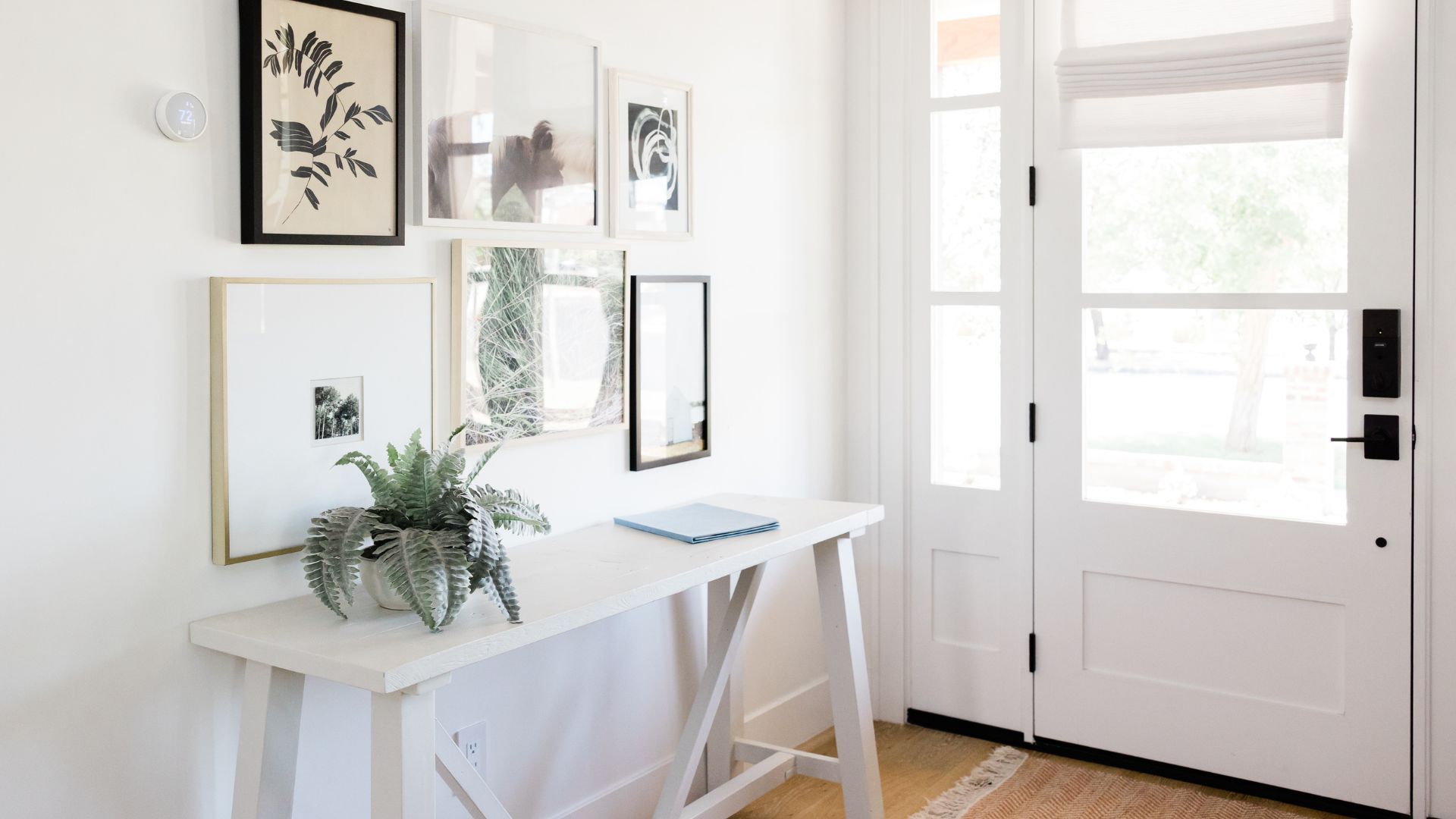
Transform Your Home With Interior Painting Services Rhode Island
Transform Your Home With Professional Interior Painting Services Rhode Island
Professional interior painting refreshes living spaces, improves home value, and resolves common surface issues—especially for Rhode Island homes that face seasonal humidity and salt-air wear. This article explains how interior painting services in Rhode Island deliver aesthetic, practical, and health-related benefits, and it outlines the main services, cost drivers, paint and finish choices, and how to choose the right contractor for your project. Homeowners will learn what to expect during a residential interior painting job, which preparatory steps matter most, and how low-VOC and finish choices affect indoor air quality and longevity.
The guide covers typical services such as drywall repair, wallpaper removal, cabinet painting, and color consultation while mapping costs to room types and prep needs. Read on for clear checklists, comparison tables, and practical tips to plan a Providence- or Newport-area interior painting project that balances durability, cleanability, and eco-friendly product choices.
What Are the Benefits of Hiring Interior Painters in Rhode Island?
Hiring professional interior painters in Rhode Island delivers faster timelines, consistent high-quality finishes, and safer paint choices that protect indoor air. Professionals manage prep, priming, and finishing to prevent common failures like peeling or uneven sheen, which preserves the paint longer and reduces long-term maintenance. Quality painting increases perceived value by giving rooms a refreshed, move-in-ready look while correcting surface defects that otherwise lower buyer perception. Local painters also understand regional building styles and moisture-related challenges, so their methods can extend finish life in coastal or older homes.
The tangible benefits include enhanced marketability, time savings, improved indoor air through low-VOC options, and workmanship that resists typical Rhode Island wear:
- Increased Home Value: Fresh, even finishes improve first impressions for buyers.
- Time and Convenience: Contractors handle prep, painting, and cleanup efficiently.
- Healthier Indoor Air: Low- and zero-VOC paint options reduce fumes and odors.
- Durability: Proper prep and primer reduce peeling and staining over time.
These benefits translate into lower repair cycles and better long-term appearance, which makes professional painting a cost-effective home improvement. Understanding the specific value pathways leads naturally to how painting affects resale numbers in practice.
How Does Professional Interior Painting Increase Your Home’s Value?
Professional interior painting increases perceived home value by creating clean sightlines, hiding repair evidence, and signaling well-maintained property condition. A well-executed paint job corrects blemishes, levels texture, and standardizes color, all of which improve buyer confidence and listing photos. In practice, updated interiors can shorten time on market and support higher offers because buyers equate fresh finishes with reduced immediate maintenance. For sellers and renovators, investing in targeted rooms—like kitchens and main living areas—yields the largest return on investment, particularly when paired with minor repairs and color choices that appeal to broad buyer preferences.
Why Choose Local Painting Contractors in Rhode Island?
Local painting contractors understand Rhode Island’s building stock, from historic trim styles to newer coastal construction, and they tailor prep and finish choices accordingly. Familiarity with humidity patterns and salt exposure informs primer selection and drying strategies that reduce long-term problems like blistering. Choosing a local team also eases logistics for scheduling, permitting questions, and rapid follow-up service if touch-ups are needed. To verify suitability, homeowners should request portfolios and local references that demonstrate experience with similar homes and regional conditions.
Which Interior Painting Services Are Available for Rhode Island Homes?
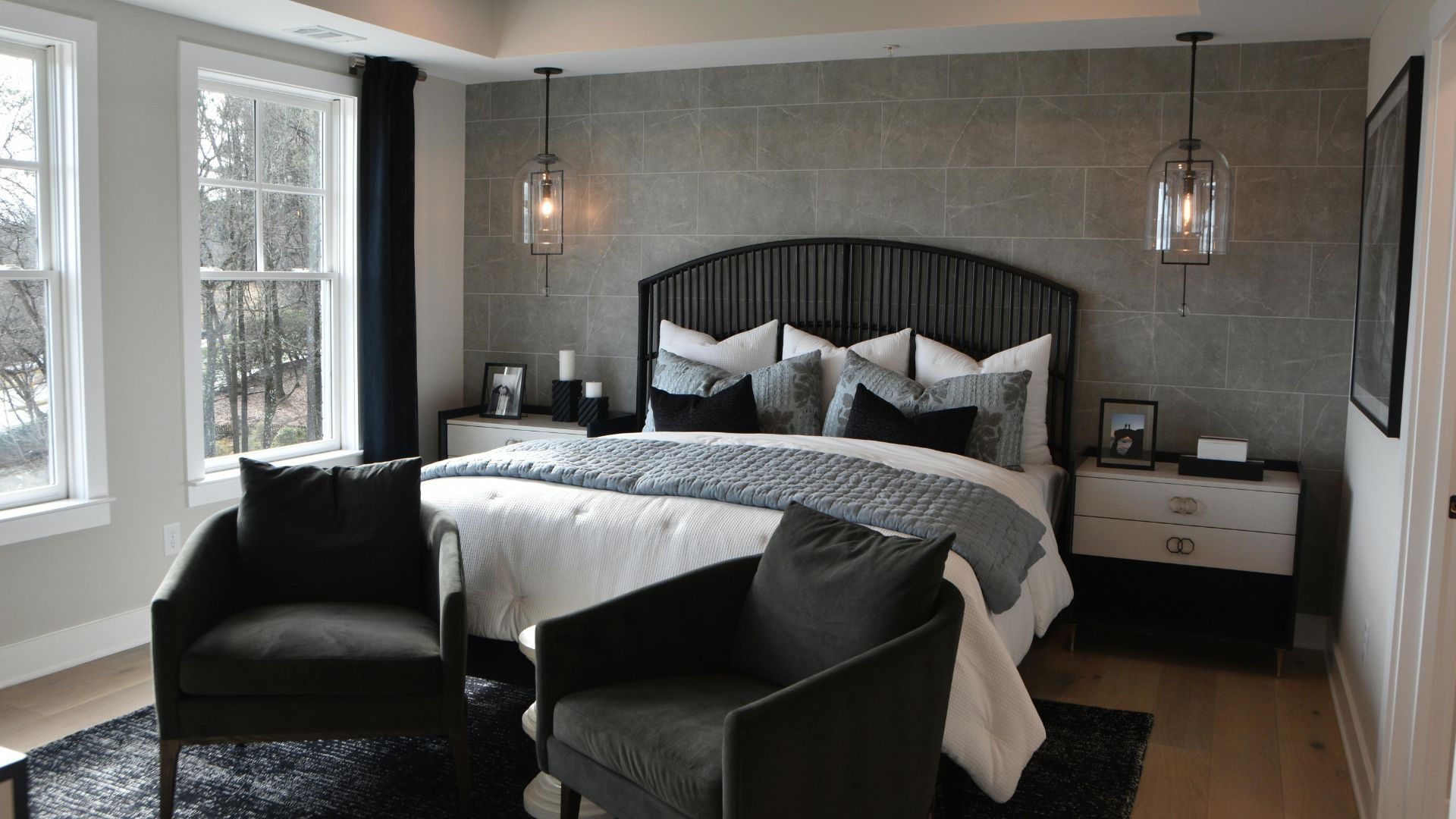
Interior painting services for Rhode Island homes cover the full scope from surface prep to specialty finishes, and most providers will offer bundled options to reduce project complexity. Typical offerings include wall and ceiling painting, trim and door refinishing, cabinet painting, drywall repair, wallpaper removal, and color consultation to align finishes with light and room function. Proper surface preparation—patching seams, sanding, and priming—directly affects outcome quality and longevity, so reputable teams itemize these steps in estimates. Understanding what each sub-service includes helps homeowners compare quotes and prioritize repairs before scheduled painting.
Below is an EAV-style comparison of common interior painting services, what they include, and the practical benefit for homeowners.
| Service | Service Included | Typical Outcome / Benefit |
|---|---|---|
| Drywall repair | Seam taping, compound, sanding, skim-coat as needed | Smooth surfaces ready for paint; reduces visible seams and cracking |
| Wallpaper removal | Scoring, solvent or steam removal, surface cleaning | Even the substrate for painting prevents pattern bleed-through |
| Color consultation | Palette selection, test swatches, light analysis | Better long-term color choices that suit room lighting |
This table clarifies how prep and specialty services affect final results and helps homeowners decide which add-ons to include in estimates. Good estimates separate these line items so you can weigh cost vs. benefit when planning.
Some providers also list additional home services that homeowners sometimes bundle with painting jobs:
- Carpentry touch-ups: Minor trim replacement or repair.
- Deep cleaning: Pre-paint dust and residue removal.
Bundling complementary services can reduce scheduling friction and ensure coordinated repairs prior to painting, which simplifies project management for the homeowner.
What Does Residential Interior Painting Include?
Residential interior painting typically begins with a detailed assessment, then proceeds through cleaning, patching, sanding, priming, painting, and final touch-ups before thorough cleanup. Contractors will protect floors and furniture, repair minor drywall damage, and apply appropriate primers to seal stains and improve adhesion. The painting phase uses roller and brush techniques matched to surfaces, and trim/door work often uses higher-gloss finishes for durability. Homeowners should expect a clear timeline, protection measures, and a final walkthrough to confirm touch-ups before acceptance.
How Do Drywall Repair and Wallpaper Removal Enhance Painting Results?
Drywall repair and wallpaper removal create a uniform substrate that allows paint to adhere evenly and prevents surface defects from reappearing after painting. Leaving damaged seams or adhesive residue under paint often leads to bubbling, visible texture, or premature failure, which shortens the useful life of a paint job. Proper removal and repair ensure primer seals the surface and that final coats display consistent sheen and color depth. Prioritizing these prep steps reduces rework and provides the best return on the painting investment.
How Much Does Interior Painting Cost in Rhode Island?
Interior painting cost in Rhode Island varies with room size, surface condition, paint quality, and the extent of prep work, and homeowners benefit from transparent, itemized estimates. Typical price drivers include square footage, number of coats, need for drywall repair or wallpaper removal, trim complexity, and choice of low-VOC or premium paints. Requesting an itemized estimate that separates labor, materials, and prep helps compare bids fairly and identifies where costs can be trimmed without sacrificing durability. Below is an EAV table showing how key cost drivers interact and their sample impact on price ranges.
| Cost Driver | Attribute | Sample Impact on Price |
|---|---|---|
| Room size | Square footage | Larger rooms raise paint and labor line items proportionally |
| Prep work | Repairs, removal, priming | Extensive prep can increase upfront cost but extends longevity |
| Paint quality | Low-VOC vs premium | Higher-grade paints cost more but require fewer coats and maintenance |
This comparison shows homeowners which factors to ask about when evaluating quotes and explains why cheaper bids sometimes omit essential prep work. A transparent estimate typically lists these elements so you can make an informed budgeting decision.
When assessing cost estimates, consider these common factors that affect the final price:
- Square footage and room complexity: Larger or high-ceiling rooms cost more.
- Extent of repairs and prep: Surface repair adds labor and materials.
- Paint grade and finish: Premium low-VOC paints increase material costs.
- Trim and doors: Detailed moulding or many doors increases labor hours.
A clear, itemized quote that spells out labor versus materials and the expected number of coats helps prevent surprises and supports a smoother project.
What Factors Affect Interior Painting Prices in Rhode Island?
Key factors affecting price include the overall square footage, the condition of walls and ceilings, the complexity of trim, and product selection, such as low-VOC or stain-blocking primers. Accessibility, furniture removal needs, and scheduling urgency also change labor time and, therefore, price. Coastal or historic homes often require specialized prep or lead-safe practices that increase costs. Understanding these levers lets homeowners adjust scope to balance budget with desired longevity and finish quality.
How Can You Get a Transparent Painting Estimate?
To get a transparent estimate, request an itemized quote listing labor hours, materials (paint brand/grade and primers), prep steps, and any warranties or touch-up policies. Ask contractors how many coats are included, whether they use low-VOC products, and how they handle cleanup and disposal. Compare multiple itemized bids rather than lump-sum numbers, and request sample swatches or small-area tests to confirm adhesion and color before full application. Clear communication about scope and expectations reduces the chance of change orders mid-project.
How Do You Choose the Right Paint and Finish for Your Rhode Island Home?
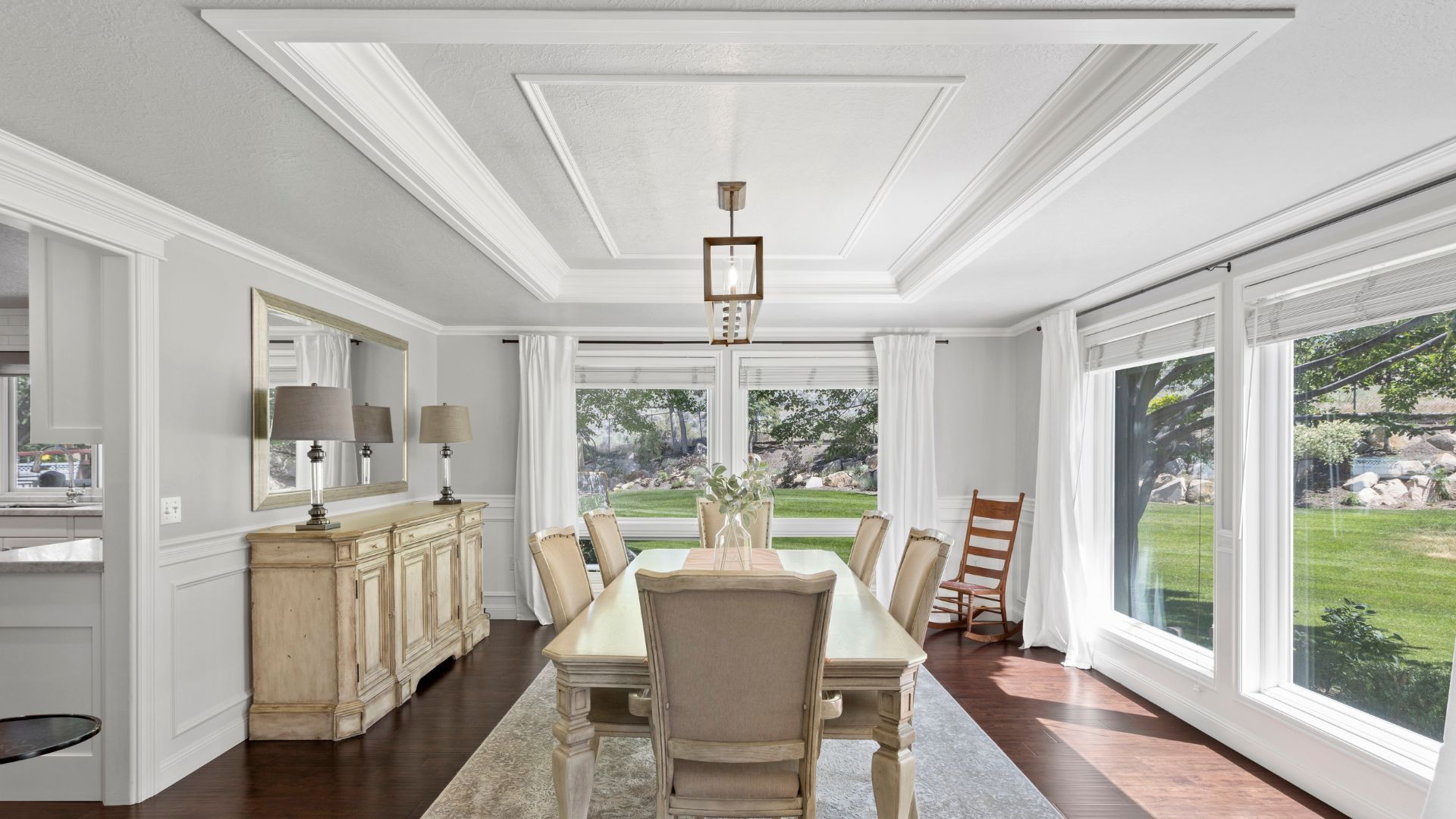
Choosing paint and finish involves balancing indoor air quality, durability, and the room’s function, and low-VOC products are increasingly recommended for occupied homes. For high-traffic rooms or those exposed to moisture, select finishes that clean easily and resist staining; in low-traffic areas, opt for matte or eggshell for minimal reflection. Color selection should account for natural and artificial lighting common to Providence and coastal towns, as light direction and intensity change perceived hue. Below is a comparison table to help map VOC levels and finish properties to recommended product types.
| Paint Type | Attribute (VOC / Durability / Best Use) | Recommended Product Type |
|---|---|---|
| Low-VOC | Lower emissions, moderate durability | Low-VOC latex for living spaces |
| Zero-VOC | Minimal emissions, good for sensitive occupants | Zero-VOC formulations for bedrooms |
| Premium acrylic | High durability, stain resistance | Kitchens, bathrooms, trim |
This table helps homeowners prioritize indoor air quality against durability and cleaning needs, which is especially important in homes with children, pets, or respiratory sensitivities. Selecting the right product reduces repaint frequency and supports a healthier indoor environment.
When mapping finishes to rooms, consider the following practical guidance:
- Ceilings: Flat or matte to hide imperfections.
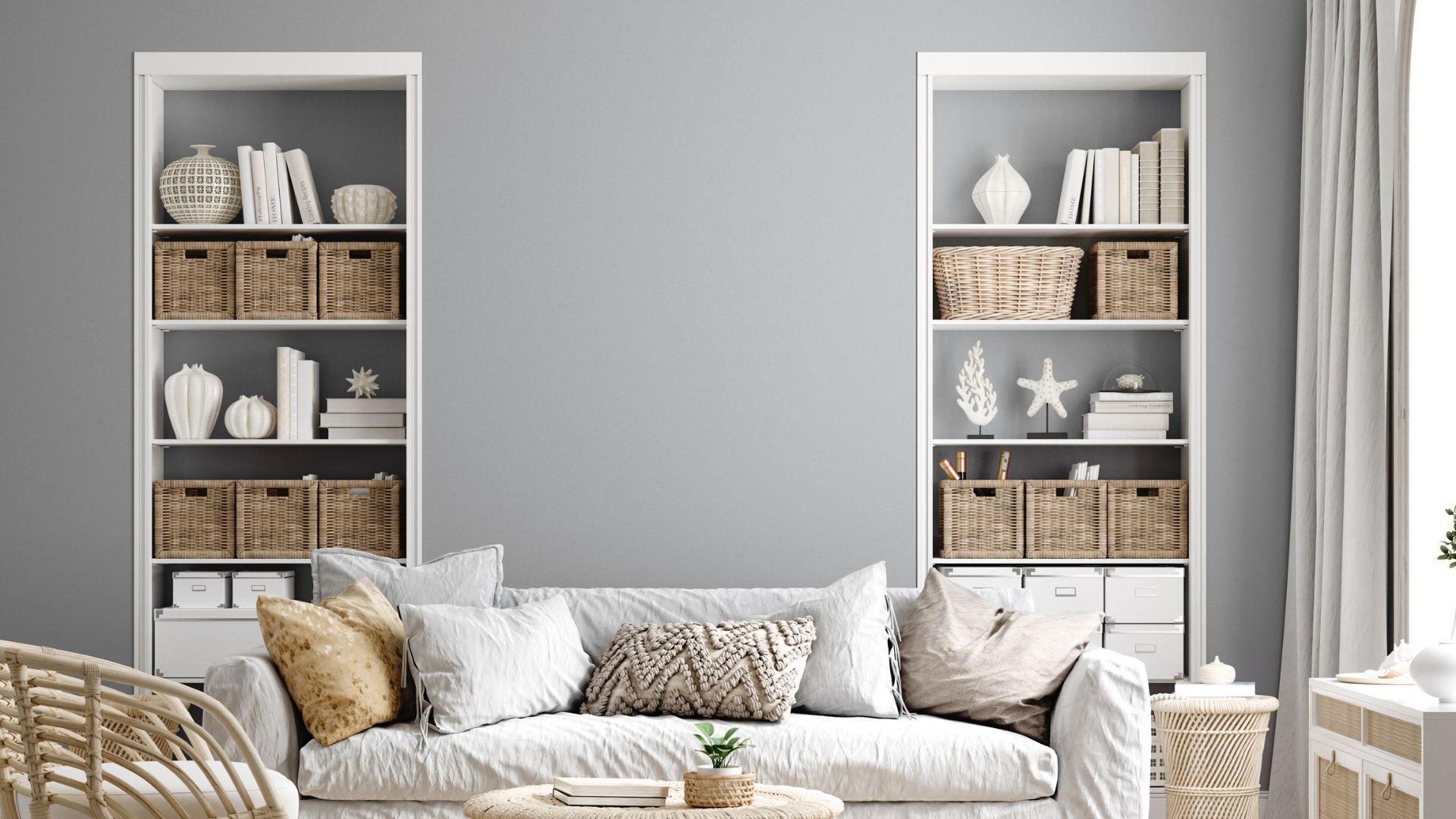
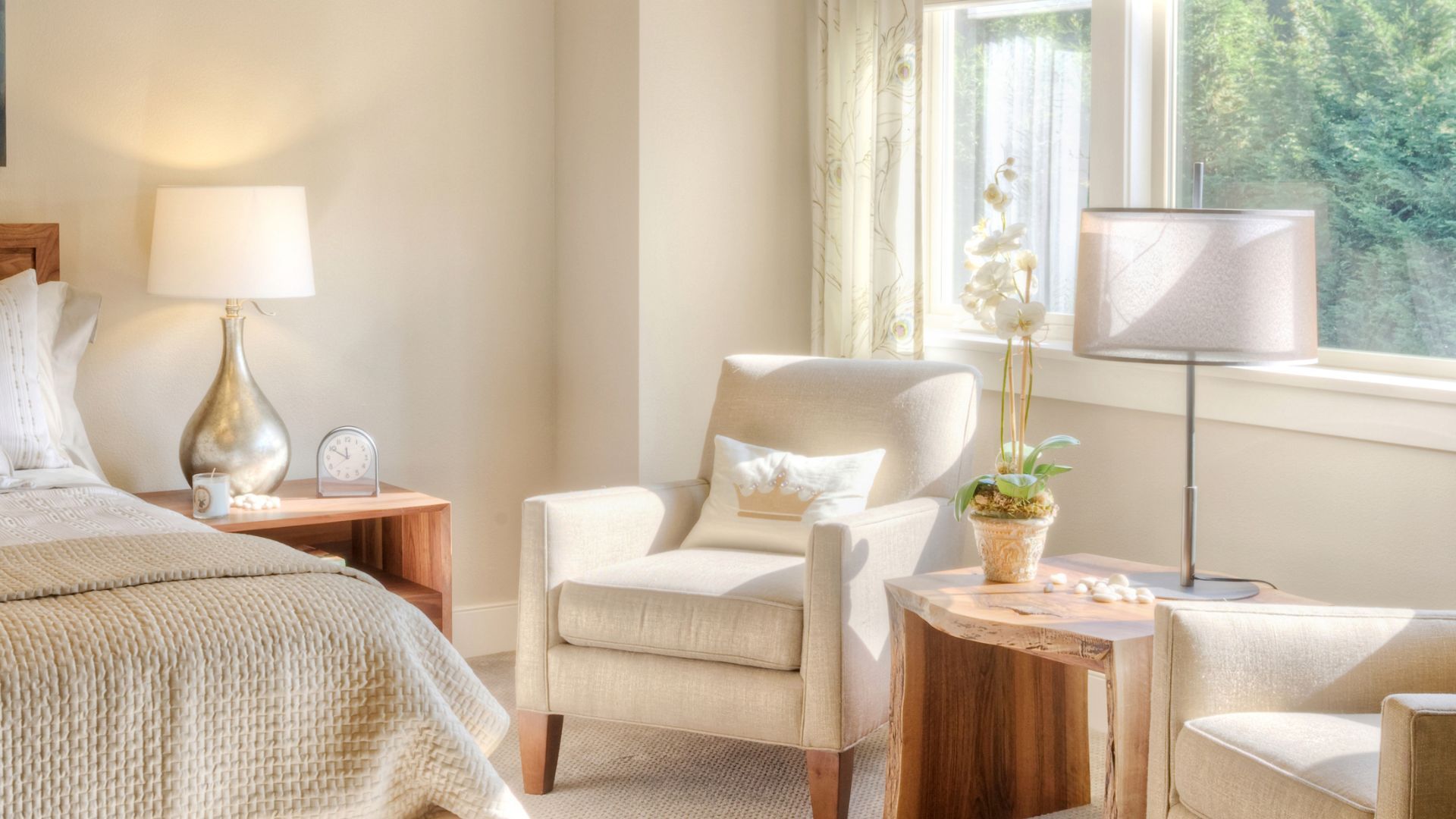
- Living rooms and bedrooms: Eggshell or satin for balanced sheen and cleanability.
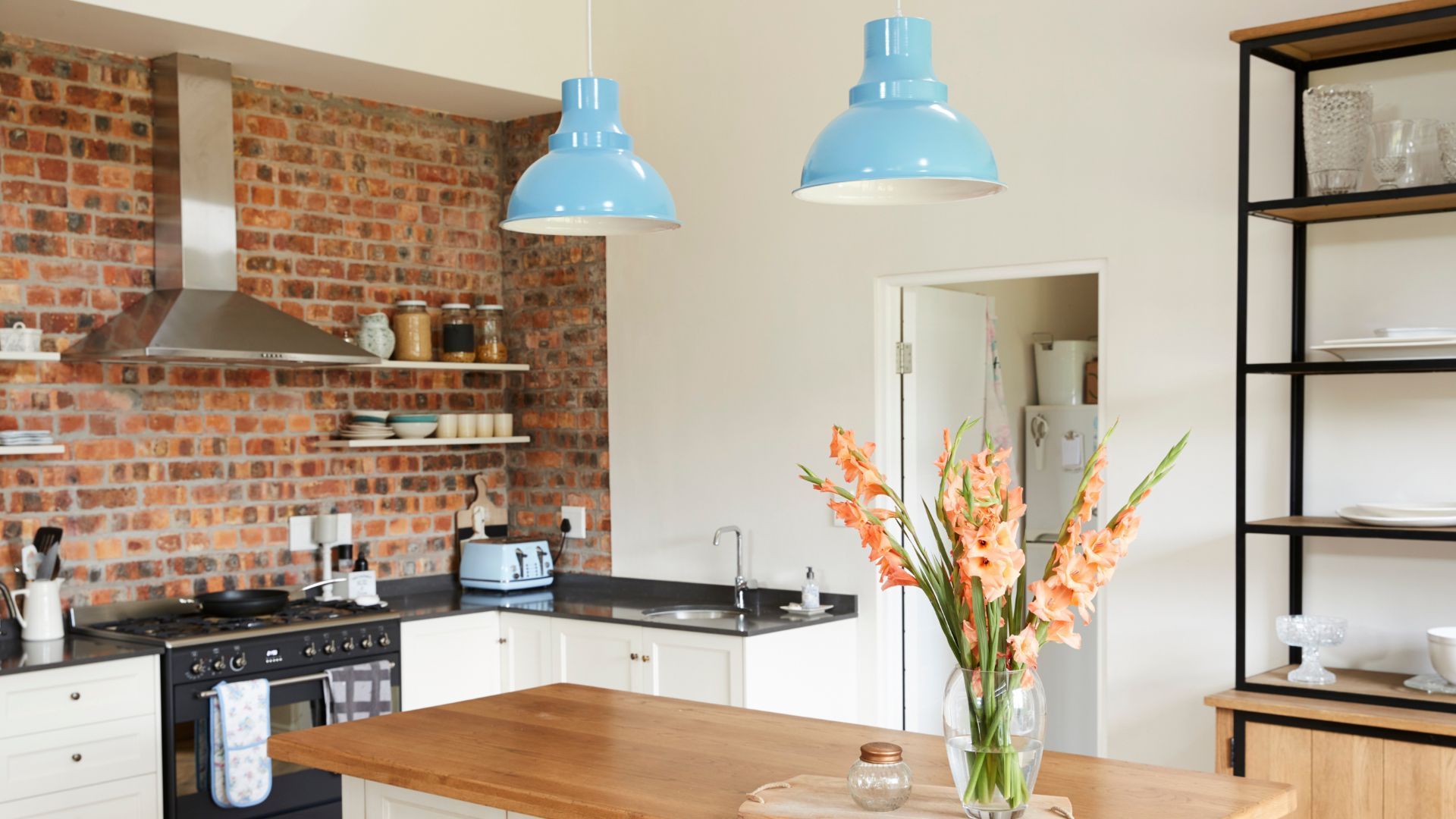
- Kitchens, bathrooms, trim: Semi-gloss for moisture resistance and easy cleaning.
These finish recommendations align with both aesthetic goals and functional requirements in Rhode Island homes, helping you choose coatings that perform under local conditions.
What Are the Best Eco-Friendly and Low-VOC Paint Options?
Eco-friendly and low-VOC paints reduce indoor emissions and odors, improving air quality during and after application, which is particularly relevant for occupied homes and families. Recent research and market trends indicate growing availability of zero-VOC formulations that still deliver reasonable durability for living spaces. When prioritizing eco-friendly options, verify product performance on test patches and ensure compatible primers are used for stain-blocking and adhesion. Choosing low-VOC paints may slightly raise material costs but lower occupant exposure to volatile compounds during renovations.
Which Paint Finishes Work Best for Different Rooms?
Paint finish selection balances appearance with cleanability; higher-sheen finishes tolerate scrubbing but highlight surface imperfections, while flatter finishes mask flaws but are less wash-resistant. Use flat or matte on ceilings to minimize glare and visual texture; eggshell or satin on living areas for a subtle sheen that cleans reasonably well; semi-gloss or gloss for trim, doors, kitchens, and bathrooms where moisture and scuffs are likely. Selecting finishes based on room use reduces repaint cycles and maintains a uniform look across connected spaces.