Home Painters in Rhode Island: Choosing the Best Options
Rhode Island House Painters: How to Choose the Best Painting Contractors for Your Home
Finding reliable home painters in Rhode Island means balancing craft, local climate knowledge, and transparent pricing so your project finishes on time and protects your investment. This guide explains what “house painters” and residential painting contractors do, why Rhode Island’s coastal exposure and older housing stock change the scope of work, and how to evaluate contractors so you pick a team that minimizes rework and maximizes lifespan.
You will learn the key hiring criteria—licensing, insurance, experience, and references—plus the common residential services available across the state, realistic cost drivers, and city-level hiring notes for Providence, Warwick, and nearby communities. The article also includes practical checklists, three comparison tables that make estimates easier to compare, and local search tactics homeowners can use to shortlist trusted professionals. Read on for step-by-step hiring guidance, clear cost comparisons, and actionable questions to include in written estimates when interviewing Rhode Island house painters.
What Are the Key Factors to Consider When Hiring Home Painters in Rhode Island?
Choosing a painting contractor starts with clear verification: confirm licensing, insurance, and a track record of projects similar to yours. These checks reduce liability, ensure compliance with local regulations (including lead-paint protocols on older homes), and signal a contractor’s ability to manage delays and weather-related constraints. The following checklist helps homeowners prioritize inquiries during initial vetting and frames the conversation before requesting written bids.
- Verify Licensing and Insurance: Ask for a license number and certificate of insurance that names the contractor and lists coverage limits.
- Request Relevant Experience: Look for examples of coastal or historic-home work, especially where substrate repair and weatherproofing were needed.
- Check Reviews and References: Seek recent, specific reviews and request two references for similar-size projects.
These three steps form the foundation of hiring; the next paragraphs explain how to document proof and what to expect in portfolios and reviews.
How Do Licensing, Insurance, and Experience Impact Your Choice?
Licensing, insurance, and demonstrable experience collectively reduce financial and performance risk for homeowners by proving a contractor meets regulatory standards and can handle job complexity. Licensing indicates knowledge of local code requirements and building permits when relevant, while insurance shields you from liability for accidents or property damage. Experience with Rhode Island’s weather patterns—salt exposure, winter freeze-thaw cycles, and humidity—matters because contractors familiar with these conditions tailor surface prep, primers, and coatings to extend finish life. Ask to see a certificate of insurance, a license reference, and photos of finished jobs that align with your scope to confirm competence and reduce the chance of costly callbacks.
Why Are Customer Reviews and Portfolios Important for Rhode Island Painters?
Customer reviews and visual portfolios provide direct evidence of workmanship, communication, and adherence to timelines, making them a practical complement to licensing checks. Portfolios with before-and-after images show how contractors handle prep, repairs, and detailing around trim, windows, and eaves—elements that are often the difference between short-lived and long-lasting finishes. Reviews reveal patterns: punctuality, problem resolution, and cleanup standards; consistent praise across multiple platforms is more meaningful than a single five-star rating. When reviews are sparse, ask for local references and visit recent project sites if possible to inspect the quality in person and ask neighbors about their experience.
What Types of Residential Painting Services Are Available in Rhode Island?
Residential painting services in Rhode Island cover interior and exterior systems plus specialty refinishes that improve appearance and durability for typical New England homes. Contractors often bundle surface preparation, priming, and topcoats, and may offer color consultation or low-VOC options for indoor air quality. The table below compares common service categories so homeowners can match a service to their goals and timelines.
| Service Type | Typical Turnaround | Best For / Benefit |
|---|---|---|
| Interior painting | 1–5 days per room | Refresh appearance, improve resale, and offer low-VOC options for indoor air quality |
| Exterior painting | 1–3 weeks, depending on size | Weatherproofing, UV/salt protection, curb appeal |
| Cabinet refinishing | 2–5 days | Cost-effective kitchen update, less disruption than full replacement |
This comparison helps homeowners prioritize services by benefit and disruption level; the following H3 sections give practical tips for interior and exterior choices.
What Are the Benefits of Interior Painting Services in Rhode Island Homes?
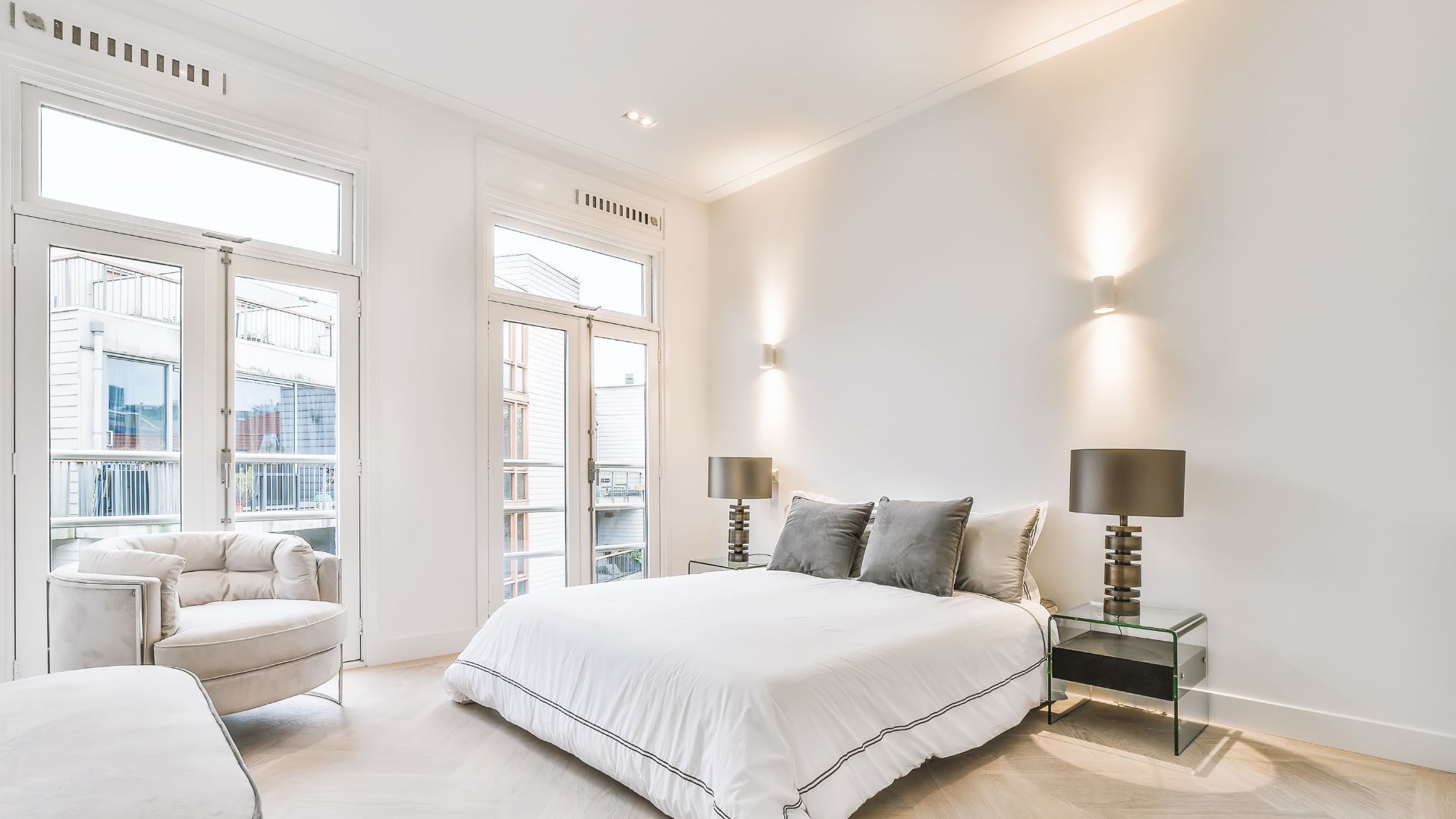
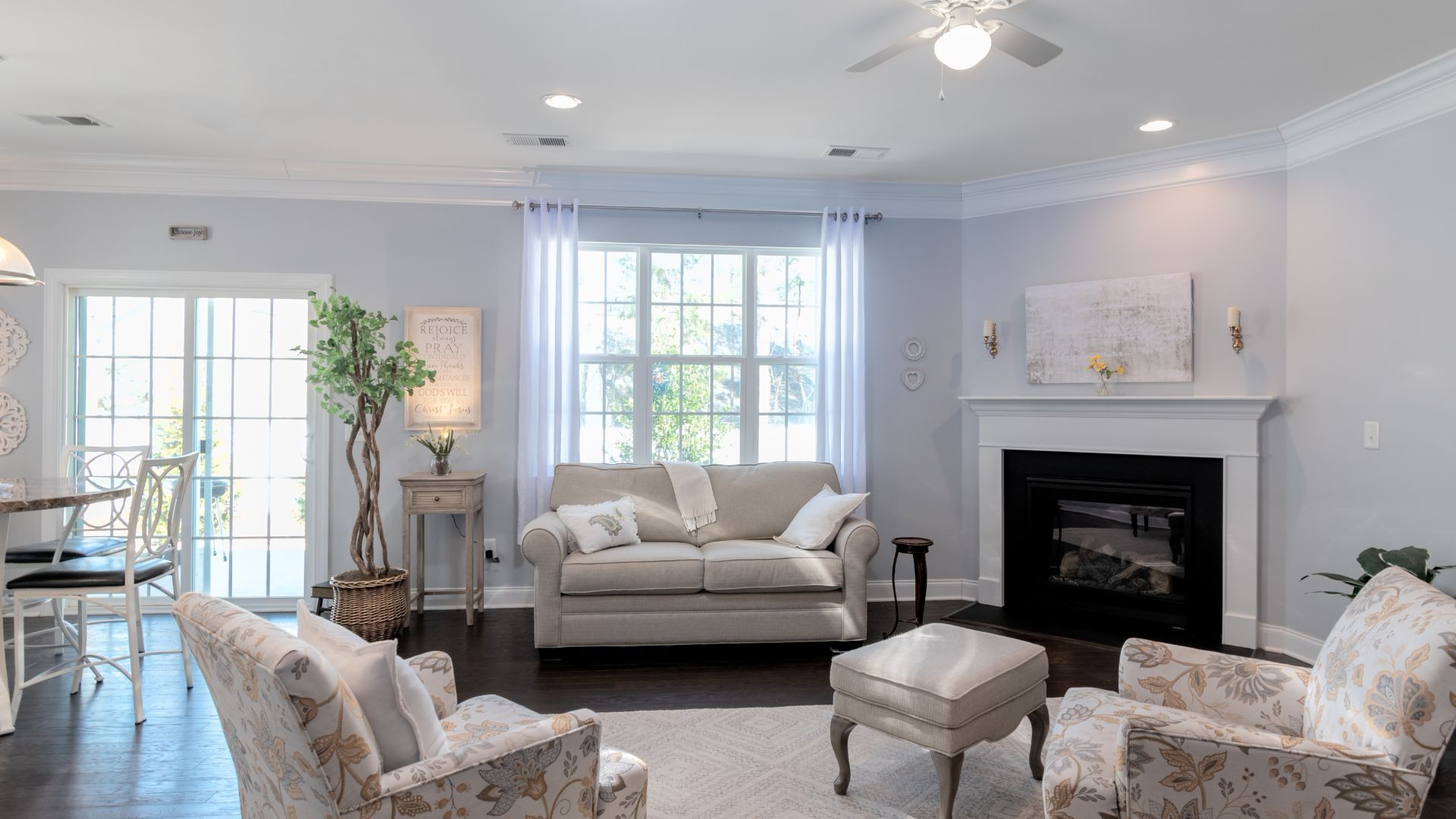
Interior painting updates style and improves the living environment while offering practical benefits like easier cleaning and odor control when low-VOC paints are used. Proper interior work includes surface preparation, patching, priming as needed, and carefully selected finishes for high-traffic areas, which together increase longevity and reduce touch-ups.
Color and sheen choices affect perceived room size, light reflection, and maintenance; for example, eggshell or satin finishes often work best for walls, while semi-gloss suits trim and doors for easier cleaning. Discuss ventilation, schedule windows for minimal disruption, and ask contractors about their containment and dust-control practices to protect furnishings and indoor air quality.
How Does Exterior Painting Protect and Enhance Rhode Island Properties?
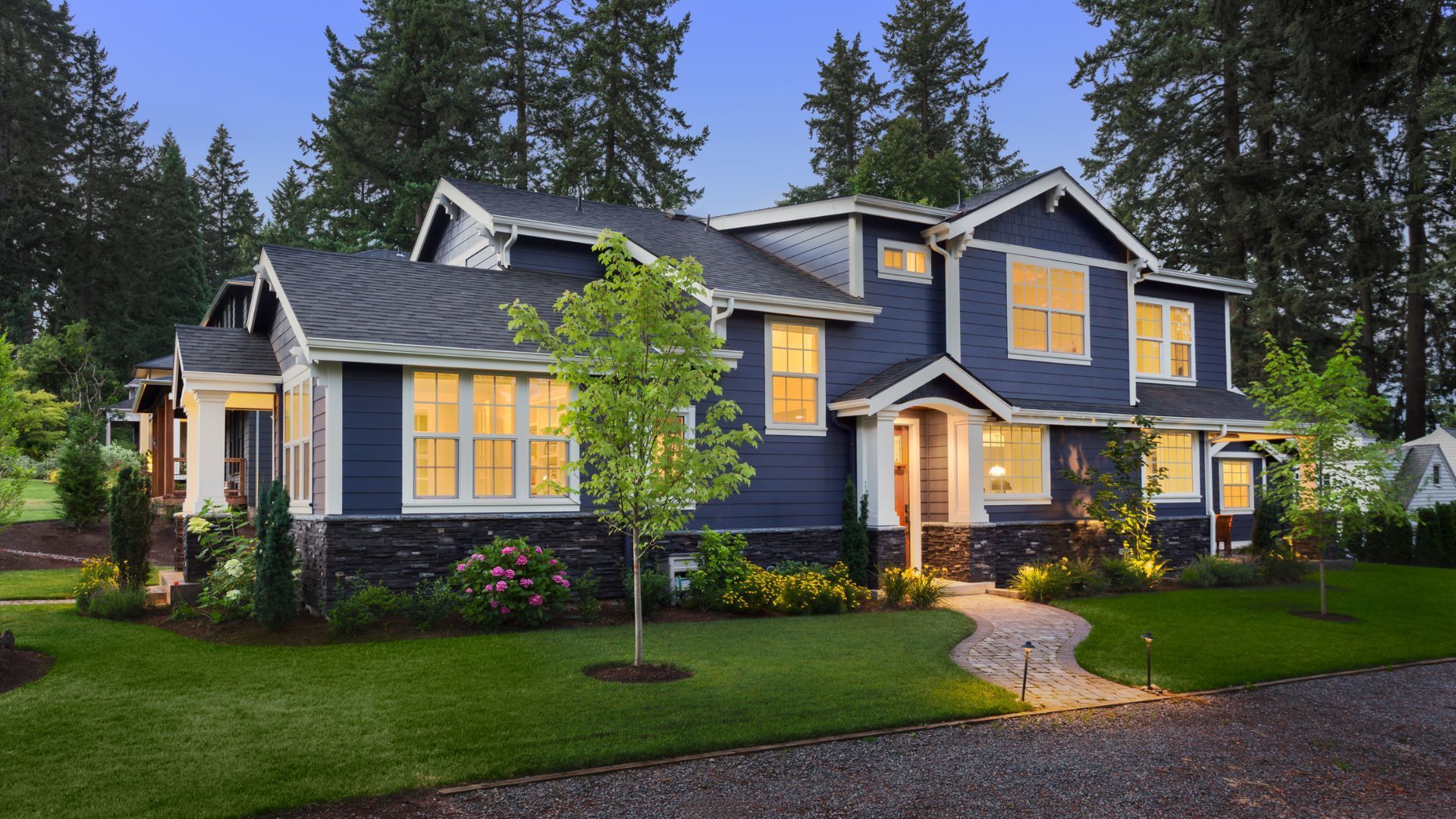
Exterior painting is both cosmetic and protective: appropriate primers and topcoats seal siding, prevent moisture intrusion, and resist UV and salt damage common in Rhode Island’s coastal zones. Surface prep—power washing, scraping loose paint, caulking seams, and replacing rotten wood—determines final durability more than topcoat selection alone. Contractors familiar with local exposures will recommend elastomeric or high-adhesion primers for certain substrates and suggest maintenance intervals to catch cracking or peeling early. Effective exterior projects increase curb appeal and can prevent structural decay, saving money over the long run when combined with regular inspections and touch-ups.
How Much Does It Cost to Hire Professional Home Painters in Rhode Island?
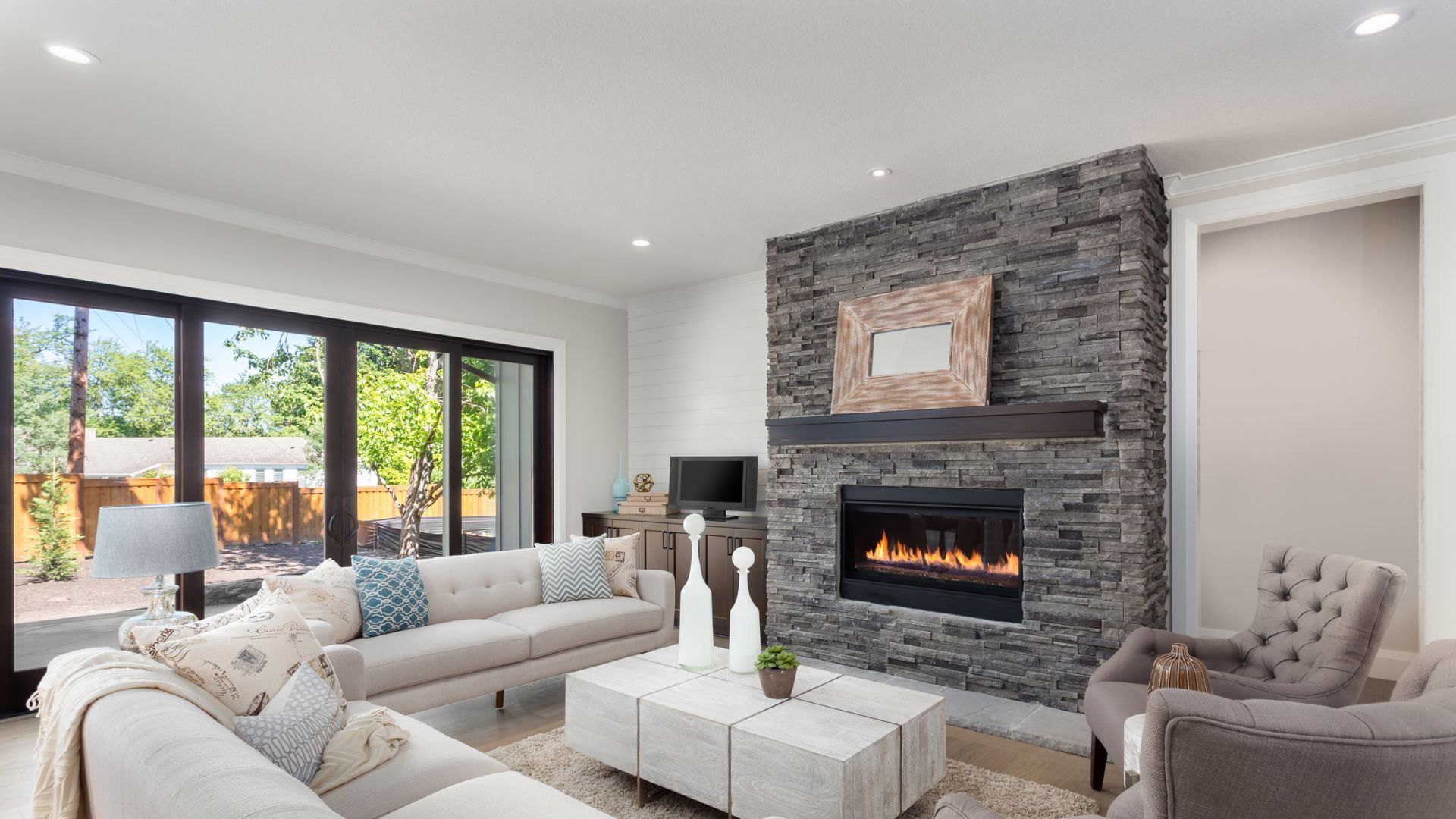
Costs vary based on project scale, prep needs, paint quality, and access; common pricing models include per-square-foot, per-room, or project-based quotes. Transparency in written estimates helps homeowners compare bids by ensuring materials, labor, and warranties are listed separately. The table below presents typical project types with attributes to help estimate budget ranges before requesting quotes from contractors.
| Project Type | Surface Area / Attribute | Typical Price Range |
|---|---|---|
| Interior whole-house (3-bed) | 1,500–2,000 sq ft, moderate prep | $3,500–$7,500 |
| Exterior single-story | 1,000–1,800 sq ft siding, moderate repairs | $4,000–$9,000 |
| Deck staining/refinishing | 200–500 sq ft, power wash + stain | $500–$1,800 |
This pricing table is a starting point; the next sections explain the main drivers that move quotes up or down and how to solicit comparable estimates.
What Factors Influence Residential Painting Prices in Rhode Island?
Several factors drive cost: extent of surface preparation and repairs, type and brand of paint, number of coats required, and access issues such as scaffolding or protected landscaping. Seasonal demand and regional labor rates also affect bids; exterior work often costs more when significant substrate replacement or lead remediation is required. Additional cost drivers include specialty finishes, cabinet refinishing versus replacement, and required permits or HOA approvals in certain neighborhoods. When comparing bids, pay particular attention to the scope for surface prep and included warranty terms, since cheap bids can omit essential prep work that shortens paint life.
How Can You Get Accurate Painting Estimates from Rhode Island Contractors?
To obtain accurate, comparable estimates, provide contractors with the same written scope: surface conditions, desired finishes, color changes, and timeline constraints. Ask for itemized written estimates that list materials, labor hours, number of coats, primer needs, cleanup, and warranty details so comparisons are apples-to-apples. Request a clear start date window, a projected completion timeline, and a written change-order policy for unexpected repairs. Finally, confirm liability insurance and request references for similar projects before signing a contract to minimize surprises and ensure accountability.
Where Can You Find Trusted Local Painters in Rhode Island Cities Like Providence and Warwick?
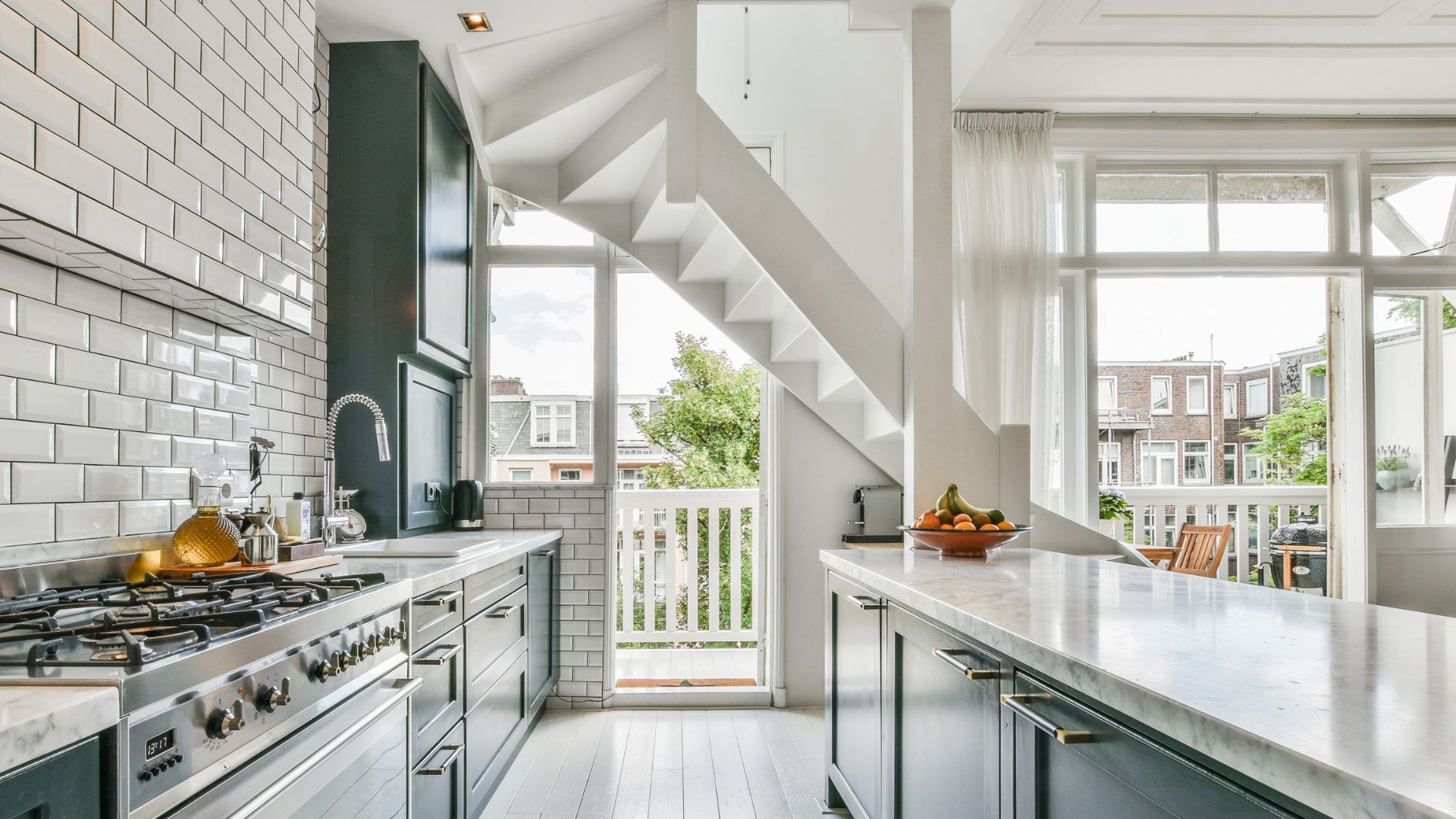
Local search should focus on contractors with proven experience in your city’s housing types and climate conditions; directories and review platforms are useful, but verification is essential. Prioritize contractors who provide on-site estimates, show local project portfolios, and who understand city-specific constraints like narrow access or permit expectations. The table below highlights common service needs and local considerations for a few Rhode Island cities to guide your vetting process.
| City | Common Service Needs | Local Considerations |
|---|---|---|
| Providence | Older homes, interior restoration | Lead-paint protocols, tight access, parking logistics |
| Warwick | Suburban exteriors, decks | Coastal exposure in bayside areas, larger exterior surfaces |
| Cranston & surrounding | Mixed-age stock | Varied prep needs, HOA rules in some neighborhoods |
Use local references and ask contractors about similar nearby projects to confirm they can handle the specifics that affect cost and timeline in your city.
What Should You Know About Hiring Painters in Providence, RI?
Providence’s urban housing often includes older multi-story homes and historic details that increase prep and restoration needs, including lead-paint-safe practices for older substrates. Contractors experienced in Providence will show portfolios of careful trim work, window sash preservation, and safe containment for interior projects in older buildings. Expect site constraints—parking, staging, and noise rules—to factor into both scheduling and cost. Ask prospects how they handle jobsite logistics and lead-safe work practices to ensure compliance and minimal disruption.
How Do Painting Services Differ in Warwick and Other Rhode Island Areas?
In Warwick and many suburban or coastal areas, exterior projects are common and often require contractors to select coatings that resist salt-laden air and UV exposure, while deck and fence staining are frequent seasonal tasks. Suburban properties may offer easier access and staging, which can reduce labor time compared with tight urban sites, but coastal properties require attention to primers and sealants that mitigate corrosion and moisture intrusion. Ask contractors what exterior systems they recommend for bayside exposure and how they schedule around local weather patterns to protect finish quality.
Other services homeowners commonly coordinate with painting projects include carpentry repairs, power washing, and lead-paint remediation; homeowners may also schedule landscaping updates alongside exterior work.